The Brazilian Dairy Gir Breeding Programme aims to improve the Gir breed for milk production in tropical regions. Established in 1985, it is the first breeding programme of its kind in the world and has made use of various technical innovations, including genomic predictions. The Gir breed is native to India and is better adapted to tropical conditions than European breeds. The breeding programme has had notable success in improving the productivity and reproductive performance of the Gir breed, with average milk yield increasing by 25% over the past two decades. It has also developed a genetic improvement programme for beef production using Gir, and there are now more than seven million Gir cows in Brazil.
Tag Archives: Gir
Zebu cattle have had a significant influence on modern cattle breeds
Zebu cattle, also known as humped cattle or indicine cattle, are a type of domesticated bovine native to South Asia that are adapted to hot, arid climates. They are characterised by a prominent hump on their shoulders, long ears, and a large dewlap, and are known for their ability to tolerate heat and resist diseases prevalent in tropical regions. Zebu cattle were introduced to other parts of the world, including Africa and South America, where they were crossed with local cattle breeds to create new strains that were more heat tolerant and disease resistant. Today, Zebu cattle make up a significant portion of the world’s cattle population and are used for a variety of purposes, including meat, milk, and draught power. They are also valued for their cultural and historical significance.
Genomic clues of the evolutionary history of Bos indicus cattle – Utsunomiya – 2019 – Animal Genetics – Wiley Online Library
THE HISTORY AND EVOLUTION OF BRAHMANS AND ZEBUS
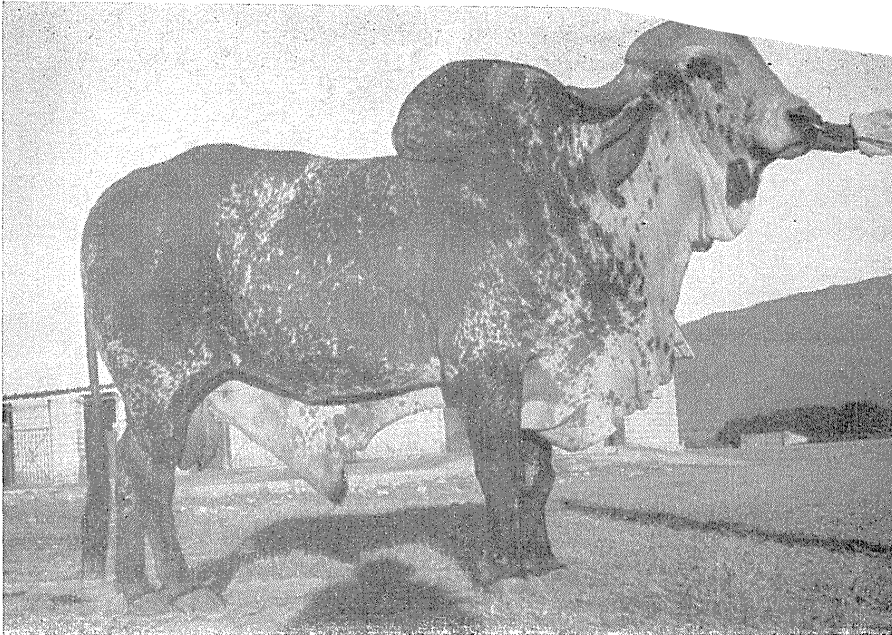
Presentation by Dr George Jacobs to the NSW Branch of ABBA’s Field Day at Grafton Saleyards – 5 March 2000
Origin of Gyr Cattle
India is believed to be the centre of origin of Zebu cattle, Bos indicus, which later spread to Africa and southeast Asia. Domestication took place in the Indus Valley from Bos primigenius nomadicus
 Gyr Cattle